Moving a business office is a major operational change that affects staff, productivity, IT infrastructure and day-to-day continuity. Unlike a home move, an office relocation demands precise planning and controlled execution to ensure the business keeps running with as little disruption as possible. Whether you are expanding, downsizing or moving to a new strategic location, every stage must be handled carefully to protect data, equipment and workflow.
As one of Liverpool’s most experienced commercial removals specialists, Britannia Fleet Removals supports businesses across the region with structured, professional office relocations. This guide explains how to move a business office step-by-step, covering everything from planning and packing to IT protection, storage and post-move checks.
1. Start with a Full Assessment of Your Office Move
The first step in any successful relocation is understanding the scale and requirements of the move. This is the point where you gather essential information about your business and its operational needs.
Audit Your Current Office
Create a full inventory of:
- IT equipment such as computers, servers, telecoms and peripherals
- Furniture including desks, chairs, cabinets and meeting room items
- Departmental items and filing
- Specialist equipment
- Kitchen and communal area contents
A detailed audit allows your commercial removals consultant to plan the correct resources, crew and equipment.
Define the Purpose of the Move
Are you relocating to accommodate growth, cutting costs, improving staff facilities or moving closer to customers? The reason dictates timelines, fit-out requirements and storage needs.
Book a Commercial Removals Survey
A professional survey ensures:
- Accurate move planning
- Identification of risks or access challenges
- IT considerations are documented
- Storage needs are identified
- A suitable move schedule is created
Knowing what you have and where it is going makes everything else more straightforward.
2. Build a Detailed Office Move Project Plan
An office relocation is a project requiring clear leadership, defined roles and a reliable timeline.
Appoint a Move Manager or Project Team
Your Move Manager will oversee communication, planning and coordination with your removals partner. Larger organisations may need a full project group including IT, HR, operations and facilities.
Create a Move Timeline
The timeline should include:
- Pre-move planning
- IT preparation and backups
- Crate delivery and packing
- Out-of-hours or weekend move dates
- Equipment installation at the new site
- Post-move testing and handover
Most businesses prefer moving out-of-hours to reduce downtime and avoid disruption.
Budget Planning
Costs may include:
- Professional removals support
- Crate hire
- IT decommissioning and recommissioning
- Furniture installation
- Secure storage
- Fit-out delays or temporary arrangements
A realistic budget avoids surprises and keeps decision-making smooth.
3. Protecting Your Business Data and IT Systems
IT relocation is often the most critical part of an office move. Systems must be handled correctly to prevent data loss or avoidable downtime.
Conduct an IT Inventory
Document every device and system:
- Desktop PCs and laptops
- Monitors and accessories
- Printers and scanners
- Servers, switches and network equipment
- Telephony and VoIP
- Specialist hardware
This helps to plan packing materials, labelling and reconnection order.
Secure Data Protection
Data security cannot be compromised. Follow these steps:
- Arrange full backups of servers and key systems
- Encrypt sensitive files
- Use secure crates for confidential documents
- Comply with GDPR for handling personal data
- Document a clear chain of custody for all hardware
Professional IT relocation teams ensure safe handling from start to finish.
Structured IT Decommissioning and Recommissioning
Experienced commercial movers can:
- Shut down servers safely
- Pack cables and peripherals in organised sets
- Use anti-static packaging for hardware
- Reconnect devices at the new site
- Test systems before staff return
The goal is simple: protect your business continuity.
4. Packing and Moving Office Equipment Safely
Office moves involve a wide range of items, each requiring different packing techniques.
Crate Hire
Sturdy plastic crates are essential for:
- Files and documents
- Personal desk items
- IT equipment
- Kitchen supplies
Crates stack safely and protect items far better than cardboard boxes.
Departmental Labelling
A clear labelling system prevents confusion. Colour code crates by department or floor to speed up unloading and placement.
Handling Specialist Equipment
Britannia Fleet Removals has experience moving:
- Large plotters
- Heavy safes
- Laboratory equipment
- Archive units
- Point of sale systems
Each requires tailored packing, protection and lifting equipment.
Furniture Dismantling
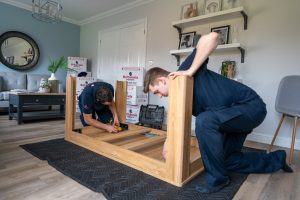
Desks, storage units and meeting tables may need to be dismantled before transport. Correct dismantling avoids damage and speeds up reassembly in the new office.
Pro Tips
- Photograph desk setups to make reconnection easier
- Encourage staff to pack personal items separately
- Label cables clearly before removal
5. Minimising Downtime During an Office Move
Minimising downtime is one of the most important goals of any business relocation.
Move Out-of-Hours
Most commercial moves happen:
- Evenings
- Weekends
- Bank holidays
This reduces impact on operations and customer service.
Plan Departmental Moves
Some departments can move earlier or later depending on their function. For instance, sales teams may move separately from accounts to keep operations stable.
Temporary Working Solutions
Options include:
- Remote working for staff
- Temporary meeting spaces
- Limited-access shift working
- Cloud-based systems to support mobility
Prioritise Essential Systems
Make sure the following are up and running first:
- Internet connectivity
- Telephony
- Core IT systems
- Reception area
- Staff facilities
With the right planning, downtime can be reduced to near zero.
6. Communication Strategy for Staff and Stakeholders
Clear communication avoids confusion and keeps staff engaged.
Announce the Move Early
Explain the reasons, benefits and expected timings to keep everyone informed.
Provide Floor Plans of the New Office
Staff want to know where they will be sitting and what facilities they will have access to.
Set Clear Packing Expectations
Let staff know when crates will arrive and when they must be packed. Provide guidance to keep everything tidy and organised.
Inform External Stakeholders
Notify:
- Customers
- Suppliers
- Utility companies
- Service providers
Update your website, email signatures and business listings on move day.
7. Storage Solutions for Business Moves
Storage is often essential in a commercial relocation, especially if you are downsizing or facing a delay in fit-out works.
Short Term Storage
Ideal for businesses awaiting new furniture or completing refurbishment.
Long Term Commercial Storage
Useful for archive materials, seasonal stock or surplus equipment you may need later.
Secure Facilities
Britannia Fleet offers:
- Alarmed and monitored units
- Containerised storage for bulk furniture
- Palletised storage for stock
- Climate controlled options for delicate items
Storage keeps your move flexible and reduces clutter in your new workspace. You can read more in our related business storage guide.
8. Preparing the New Office for Staff Arrival
Before the workforce arrives, the new office must be ready.
Space Planning
Use your floor plan to position desks, meeting rooms and collaborative spaces effectively.
Install IT and Telecoms
Ensure network connections, phone lines and server rooms are fully functioning.
Health and Safety Checks
Make sure fire exits, signage and lighting comply with regulations.
Final Cleaning
The space should be clean, safe and welcoming for staff.
9. Move Day: What to Expect
A professional removals team manages every detail to keep the process smooth and efficient.
On the Day
- Arrival and briefing
- Crate collection and checks
- Dismantling and packing of large items
- Secure IT shutdown and packing
- Loading, transport and unloading
- Placement of furniture according to plan
- Reassembly and installation
- IT reconnection and testing
Your Move Manager oversees everything to ensure nothing is missed.
10. Post-Move Tasks and Business Reopening
Once the move is complete:
- Remove empty crates
- Test IT systems
- Walk staff through the new space
- Resolve any snagging issues
- Update suppliers with your new address
A good removals partner ensures smooth onboarding in the new workspace.
Why Choose Britannia Fleet Removals for Your Office Move
Britannia Fleet offers:
- Dedicated commercial relocation teams
- Specialist IT handling
- Secure data protection processes
- Full project management
- Crate hire and professional packing
- Commercial storage solutions
- Decades of experience with businesses of all sizes
A well planned business relocation protects productivity and keeps your organisation moving without unnecessary disruption. For a structured office move that safeguards your data, equipment and staff, contact Britannia Fleet Removals to arrange a pre-move survey today.