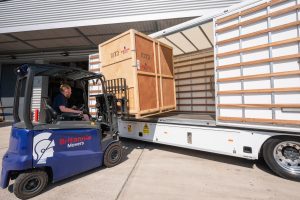
Moving abroad is one of the biggest life transitions anyone can undertake. The excitement of starting fresh in a new country often comes with a natural concern: how do you protect your belongings while they travel thousands of miles across land, sea or air? International moves involve more handling, more transit stages and more variables than domestic relocations, which is why choosing the right insurance is essential.
At Britannia Fleet Removals, we have supported families and professionals relocating across the globe for decades with both International removals and European removals. We understand that peace of mind comes from knowing your belongings are fully protected at every step. This guide explains exactly what insurance covers during international moves, what it doesn’t cover and how to ensure you have the right protection in place before shipping begins.
Understanding the Risks of International Moves
International shipments can pass through multiple ports, vehicles and climates before reaching your new home. This means your belongings face more exposure to risk than they would during a local move.
Key risk factors include:
- Long travel distances
- Loading and unloading at several stages
- Vibration and movement during sea freight
- Climate changes such as humidity, heat or cold
- Customs inspections
- Handling by third-party agents overseas
None of these risks mean your belongings are unsafe. Professional export wrapping and proper container loading significantly reduce issues. However, insurance provides the extra confidence needed when transporting goods across continents.
Types of Insurance for International Moves
There is no single insurance that suits all overseas relocations. The type you need depends on your destination, the shipping method and the level of protection you want for your belongings.
Marine Transit Insurance
The most common form of insurance for international moves. Despite its name, it covers goods shipped by sea, air or road as part of an overseas relocation.
Marine transit insurance typically covers:
- Loss or damage during the entire transit
- Fire, collision or vessel-related incidents
- Water damage
- Movement and vibration during shipping
Cover is usually based on the total declared value of the shipment.
Door-to-Door Comprehensive Insurance
The most complete protection available. This covers belongings from the moment the removals team begins packing until they are delivered and placed in your new home abroad.
It includes:
- Professional packing
- Handling at departure and arrival ports
- Sea or air freight
- Third-party handling
- Final delivery and unpacking
This is the preferred option for large or high value moves.
Total Loss Cover
A lower cost option that only covers a complete loss of the container or shipment. It does not protect against damage to individual items.
Suitable for:
- Low value shipments
- Moves with minimal breakable items
- Customers on a limited budget
Restricted Cover
Restricted policies may cover only specific incidents such as fire or collision. These vary depending on insurer and route.
Storage-in-Transit Insurance
If items enter storage before or after the international journey, they must be insured while there. Storage-in-transit insurance protects your belongings until they are ready for delivery.
What Insurance Covers During International Moves
Although policy wording varies by insurer, most international removals insurance offers protection in the following areas.
Damage to Belongings During Packing and Handling
If professional packers handle your belongings, they are covered for accidental damage during wrapping, lifting and loading. Export wrapping and crating improve protection and ensure claims remain valid.
Loss or Theft During Transit
Covers situations such as:
- Missing cartons
- Theft from secure warehouses or containers
- Loss during shipping
These events are rare but do occasionally occur, particularly with shipping delays or long port stays.
Damage Caused by Shipping Conditions
This may include:
- Vibration or shifting cargo
- Rough seas
- Changes in temperature
- Humidity exposure
Modern containers are designed to manage environmental changes but delicate items still benefit from insurance and export wrapping.
Damage During Overland Transport
Before and after the ocean or air journey, goods may travel by road or rail. Damage caused during these stages is typically covered by comprehensive policies.
Total Loss
If an entire shipment is lost due to major incidents such as:
- Vessel fire
- Container falling overboard
- Severe structural damage
Total loss cover provides compensation up to the declared value.
Storage Cover
If goods are held in secure storage due to:
- Delays with property handover
- Customs hold-ups
- Early departure from the UK
Insurance protects them during this period.
High Value Items (If Declared)
Items such as:
- Antiques
- Artwork
- Musical instruments
- Jewellery
- Designer furniture
These require correct valuation and sometimes specialist packing to be fully protected.
What Insurance Does Not Usually Cover
To avoid misunderstandings, it is important to know what standard insurance will not protect.
Common exclusions include:
- Items packed by the owner (often referred to as PBO)
- Pre-existing damage
- Mechanical or electrical failure not caused by external force
- Liquid leaks from containers not packed by professionals
- Wear and tear or deterioration
- Prohibited items such as hazardous goods or perishables
- Claims due to poor packing if the customer packs themselves
This is why almost all international customers choose professional packing for peace of mind.
Declaring Value and Completing an Inventory
Your insurance is based on the inventory you provide. A clear and accurate valuation ensures you are properly covered.
Why the inventory matters:
- Determines the total value of your shipment
- Sets the maximum claim amount
- Helps the insurer understand your belongings
- Ensures correct premiums
- Speeds up any claims process
Tips for completing your inventory:
- List everything included in the shipment
- Provide fair and realistic replacement values
- Photograph high value items
- Keep digital copies of all documents
- Declare artwork, musical instruments and collectables separately
Accurate valuation is one of the most important parts of securing comprehensive cover.
The Role of Professional Packing in Insurance Coverage
For international moves, insurance often depends on professional packing. This is because the journey is long, and the risk of movement or environmental impact is higher.
Professional packing provides:
- Export wrapping for furniture
- Custom crates for fragile or high-value items
- Anti-moisture materials
- Strong cartons designed for shipping
- Secure sealing and labelling
If belongings are packed by the customer, claims may be rejected because the insurer cannot verify packing quality.
How Claims Work During International Moves
Although claims are uncommon, knowing the process helps customers feel prepared.
Reporting Damage
- Inspect items soon after delivery
- Report any issues within the time frame stated in your policy
- Keep crates and packing until the claim is resolved
Evidence Required
You may need:
- Photographs of damage
- Inventory numbers
- Packing notes
- Purchase receipts or valuations
Claim Processing
A typical process involves:
- Customer submits claim with photographs
- Britannia and the insurer review documents
- Valuation or replacement assessment
- Claim approval and payment
Professional movers help guide you through the process from start to finish.
Insurance for Special Categories of Goods
Some items need enhanced protection or specialist handling.
Examples:
- Fine art
- Sculptures
- Pianos
- Antique furniture
- Expensive electronics
- Temperature-sensitive items such as wine collections
These may require special valuation or custom crating.
Understanding Insurance for Different Shipping Methods
Sea Freight
The most common method for overseas removals. Insurance covers:
- Movement within containers
- Moisture-related risks
- Port handling
- Vessel incidents
Air Freight
Faster delivery and lower handling risk but:
- More expensive
- Insurance limits may differ
- Faster claims resolution
Road and Rail Transport
Important for moves within Europe or for shipments that start or end with an overland journey.
Insurance protects against:
- Vehicle accidents
- Handling damage
- Transit issues
Why Choosing the Right International Removals Company Matters
Insurance is only one part of keeping belongings safe during an overseas move. The company you choose makes a significant difference to the outcome.
With Britannia Fleet Removals you gain:
- Access to experienced export packers
- Partnerships with trusted international networks
- Clear guidance on insurance options
- Safe, secure storage
- Transparent paperwork and support
- Reliable communication from start to finish
A trustworthy removals partner ensures your belongings are not only well insured but also well cared for throughout the journey.
Choose Britannia Fleet Removals for Safe, Insured International Moves
Moving abroad is a major event, and proper insurance ensures peace of mind. With professional packing, accurate valuation and the right policy, your belongings will be protected at every stage of the journey.
To discuss international removals insurance or arrange a free survey, contact Britannia Fleet Removals today.